

Pet Safety Tips
It's important to protect your pet from poisonous plants and food items that can cause illness. The NC State College of Veterinary Medicine offers some safety tips.
The fireworks can be frightening for pets. They should therefore be kept in a secured area, such as in a crate or room that has a lock for fireworks displays. pet care at home should wear a collar that has identification tags and be microchipped.
Check the Garage
The garage is a potential danger to pets. It can contain everything from poisonous plants to chemicals and fertilizers. Make sure that all chemicals and cleaning products are kept in cabinets that are locked with a latch a pet cannot reach. Make sure that propane tanks, gas canisters, and other items that ignite are not stored in the garage, or within easy reach, of curious dogs or cats.
Keep a photo of you and your pet inside your evacuation kit. This will allow others to identify you in the event you become separated. Include your pet's bedding or toys to reduce stress during evacuation.
Make a list of local veterinarian clinics, animal shelters, and other pet-friendly places along evacuation routes. Keep a leash and harness specific to your pet on hand, as these are essential tools to keep them in control. Also, ensure that your pet is microchipped or has a collar with up-to-date contact information.
Remember that hot weather can result in overheating for humans and pets. Heavy panting, drooling and a higher heart rate are all indications of excessive heat. Overheating is more likely occur in pets suffering from respiratory issues or are brachycephalic.
Last but not least, cover garbage bins and recycling bins to keep rodents from accessing them. Place trash in containers that pets can't access, and remove any poisonous or choking items like string or buttons. For care pet , be sure to seal the lids of your toilets because the smell of a tank full of water can encourage them to drink its contents. This could kill them!
Create a Disaster Plan
If you live in a region susceptible to natural disasters, it's important that your pets are prepared too. Create a disaster plan, and then put together an emergency pack.
This strategy can help you and your pet to survive an evacuation, particularly for emergencies that happen without warning. You can also create a list of neighbors, friends or family who will be willing to help you and your pet in the situation of an emergency.
It is also important to include an up-to-date photo and description of your pet should they are lost or separated from you during an emergency. Additionally, you should keep your pet on leash or in a cradle at all times and make sure to keep them near you in the event of an emergency. This will help make sure that they don't run away or become injured.
Remember that animals' behavior can change dramatically during a disaster, and even the most calm pets could become aggressive or defensive. In the case of a fire, for instance, your pets could become disoriented because scent markers that usually signify their home have been destroyed away. Make sure that your pets are kept indoors and under direct control throughout a disaster, and always monitor air quality closely because smoke can cause harm to both humans and pets.
Include essential items like water, food and medicine in an airtight, waterproof container. Include a harness and a leash that fits your pet, a carrier that is appropriate for their size, a blanket, or favorite toy for comfort in a stressful circumstance. If your pet eats canned food, you should include a manual can opener as well. Be sure to check your pet's food supply frequently to make sure that all items are fresh and usable.
Keep your pets inside
Some pet owners believe it is best to keep their pets inside during the holidays. Loud fireworks and loud noises can be very frightening for pets, especially smaller breeds or those that are already anxious. They may also be affected by the heat of outdoor events and celebrations.
Keep your pet and cat indoors during these occasions to safeguard them from possible threats like fireworks that explode or being struck by an ill-lit jack-o'-lantern. Dogs and cats that are not kept inside during these times, even in fenced-in backyards or on leashes, could be at risk of being attacked by other dogs or encountering wildlife that is local to them.
Fireworks can be dangerous for pets especially when they are lit. They can cause severe trauma or burns. The sound and light can cause pets to feel confused, scared or lost. If your dog is scared of fireworks, exercise him prior to the celebrations begin and try to keep him in a safe place with you or a trusted neighbor while they take place.
If your pet chews ensure that you move things that are easily swallowed out of reach prior to when you leave the house for a couple of days, such as underwear, string, small bones, toys or items that are thrown in the garbage. If they are consumed, they can cause gastrointestinal distress. pet care website , such as holly, poinsettias, and mistletoe, can be poisonous to dogs and cats.
If left alone in hot weather, a few dogs and cats, especially those with flat faces, such as pugs and Persians may suffer from heat stroke. It is crucial to keep them inside during the hottest hours of the day. Provide plenty of shaded areas for them along with cool water and food, and don't leave them in parked cars, because this could lead to deadly heat stroke.
Avoid Walking on Frozen Water
In winter frozen lakes, ponds, and canals are tempting to both children and pets. However, these bodies of water can pose serious dangers. People should never walk out on the ice or follow their pet onto the ice at any time. It is difficult to judge the strength of ice with visual inspection, and temperature fluctuations could alter its structure. Ice formed by rivers is usually affected by currents, which could cause it to weaken or even break. If you see someone fall through the ice, dial 911 immediately. Don't try to rescue the person on your own. This could make things worse.
Additionally pets should be leashed close to water bodies and should not be enticed to take a dip in lakes or ponds. Dogs can swallow contaminated water and then contract Leptospirosis, a dangerous bacterial disease that can affect the kidneys and other organs. care pet can also be affected by the disease if they contact with urine from animals and dogs.
Certain trees and plants are poisonous to pets and should be avoided. In particular, Japanese yews contain toxins which can cause blood pressure and heart rate issues in dogs and cats ingestion. The bulbs of tulips, daffodils and other blooms are poisonous and can cause stomach upsets and obstruction problems in pets if they are consumed and sucked up.
Animals' behavior may change drastically in the aftermath of a disaster, flash flood or storm. When they're scared or unfamiliar, they may act aggressively. It is a good idea to keep pets in carriers or on leashes when they leave the house and to teach them safety guidelines for interactions with other people, including strangers, children, and guests.
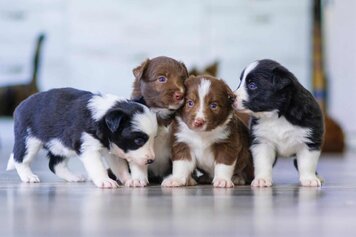
Make sure pet and home care is on a leash
A leash is a cord or rope that is affixed to the collar of a dog that helps the owner control it while walking. It's crucial to have a leash for your pet as it shields your pet from danger and helps keep them safe while they're out in the open.
Many cities have laws that require dogs to be tied in public spaces and parks. This is not only to protect you, but also for the safety of other people and animals. Dogs that allow themselves to run around can end up being struck by cars or cause accidents. They could also be chased by other dogs or animals and could be injured as a result.
When a dog is off-leash they may sniff out things that could be harmful to their health, or even hazardous such as feces of other dogs or poisonous plants. It is also possible to get polluted water or puddles with pesticides.
In addition to being a legal requirement leashes can help you train your dog and keep them secure in all situations. They stop them from chasing other animals and people, running off into traffic areas or other risky places, smelling or eating things they shouldn't, digging up lawns, or becoming lost on walks.
It's also crucial to have a leash because it will make you more visible to others while walking your dog. Certain people are scared of dogs and are more likely to be scared or irritable when approached by one. Leashes can be beneficial for people who have a sensitivity to certain smells or who are allergic to dogs.